How Naomi Osaka’s legacy off the court rivals her accomplishments on it


📚 Osaka’s history
The intrigue surrounding Naomi Osaka goes far beyond tennis. Born to a Japanese mom and Haitian-American dad, Osaka trained diligently to become one of American tennis’ top stars.
- But her cultural connection to Japan — and perhaps a lack of early USTA interest — prompted Osaka to play under the Japanese flag. That put key early-career brand opportunities in motion, giving Osaka cross-cultural appeal similar to Olympic skier Eileen Gu.
Osaka was a wunderkind who went pro at the age of 16. She qualified for the US Open in 2015, finishing the year with a No. 144 world ranking. The next year, she was the WTA’s Newcomer of the Year, upsetting favorites across Grand Slam matches and breaking the Top 50 WTA rankings.
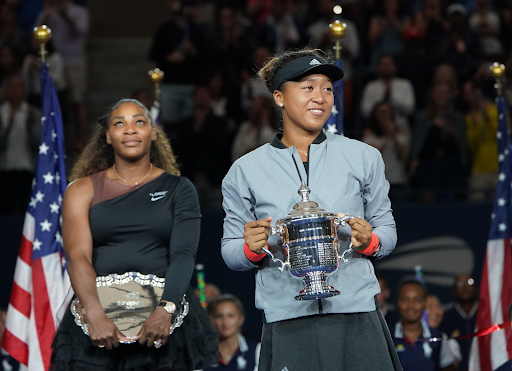
- By 2018, she claimed her first Grand Slam victory in a historic US Open title against none other than her role model, tennis great Serena Williams. Osaka would go on to win three more Grand Slams over the next three years, a remarkably fast rise through the ranks.
Her success on the court translated to success off it, too. Early on, Japanese brands (plus Nike) endorsed the nation’s rising tennis star, and American and international brands soon joined in. She made $37.4M from prize money and endorsements in 2019, the highest-ever annual income for a woman athlete. And despite playing fewer matches in 2020 due to the COVID-19 pandemic, Osaka still surpassed her record income with $50M from endorsements, comprising 90% of her $55.2M in total earnings.
However, her public image shifted dramatically just four months after her AO win: At the 2021 French Open, Osaka took a widely publicized step away from the sport to focus on her mental health. She continued to compete while openly talking about sport existentially, considering her happiness in the midst of elite competition.
- Then in early January 2023, Osaka announced her pregnancy and ensuing one-year hiatus. Since her return in January 2024, she’s endured early exits from major competitions and a lingering back injury as she slowly builds back to her previous levels of success.
💼 Osaka, the business woman

Even as her on-court dominance waned, Osaka maintained her cultural relevance. Here are four pillars of her appeal to fans and brands:
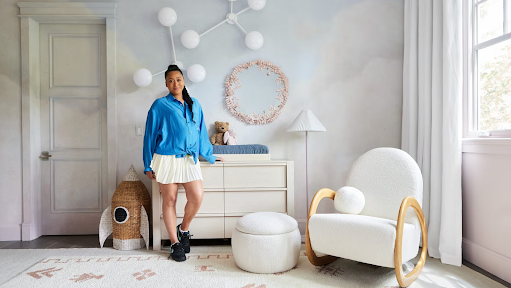
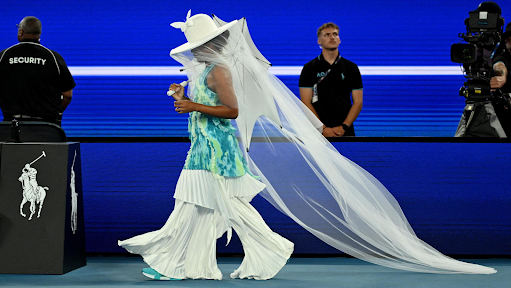
🏆 Personal style: Osaka has long been heralded as a fashion icon, with her on-court outfits and accessories generating buzz regardless of her performance — the success of her aforementioned Nike partnership is just one example. She also granted People Magazine an exclusive first look at her nursery, designed in partnership with Crate & Kids.
✊ Advocacy: She used her global platform to support Black Lives Matter, discuss her mental health struggles, and push for national paid parental leave in the U.S. in partnership with formula brand Bobbie.
🫂 Her vulnerability: Osaka has done a masterful job of keeping fans and brands continuously interested in what she has to say. She’s candid in interviews, giving the public glimpses into her considerate, contemplative thought process.
- Her openness with fans makes her an excellent ambassador, especially for family-focused brands.
💼 Her industriousness: Osaka is as skilled a businesswoman as she is a tennis player. She’s founded three businesses: production company Hana Kuma, Kinlò skincare catering to melanated skin, and Evolve, the first woman athlete–led talent agency that she left in 2025.
▶️ The Osaka playbook

Distilling Osaka’s brand appeal separate from her athletic status presents an essential exercise for today’s sports marketer. She became a household name from her play, but she’s remained in the conversation for everything she does outside of tennis. According to the Osaka playbook, to effectively partner with athlete ambassadors, brands should invest in them as performers and people.
Choosing to rally around an athlete for what they represent can show the public why an athlete belongs with a brand. Japanese companies like Nissan and Yonex sought Osaka because she represented Japanese pride and excellence. Beauty company Shiseido went further, showcasing Osaka’s cultural influence in the nation as a diversification of Japanese beauty.
When Modern Health and Hyperice wanted to spearhead new features prioritizing mental wellness, they turned to Osaka. When Osaka needed sunscreen made for her skin, she developed one for herself and millions of others. And when she prepared to become a mother, she beckoned beloved brands, lending her voice and spotlight to the experiences of motherhood.
Osaka may consider herself shy, but she has carefully shown us who she is, and in speaking candidly, she has built a personal brand that transcends tennis.
- Osaka could retire tomorrow and we would still follow her wherever she goes. As she has said, she is focused on doing what makes her happy — and we are all rooting for her, whether she finds it on or off the court.
Enjoying this article? Want more?

Sign up for The GIST and receive the latest women's sports business news straight to your inbox three times a week