Jess Smith breaks down the Golden State Valkyries’ billion-dollar strategy


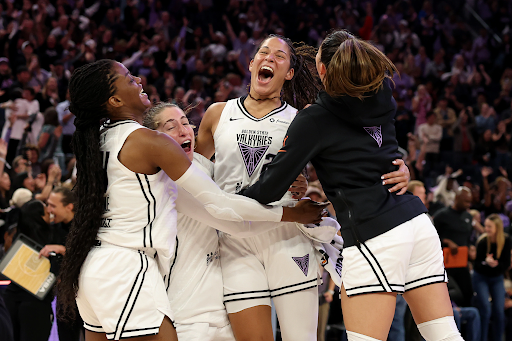
🚀 A billion-dollar rocketship
In 2025, the Valkyries came into the scene hot. The team sold 10K season tickets — a first for the league — before ever hitting the court. One month later, the buy-in was clear. Sportico estimated it was worth a league-leading $500M.
- The team had over 20 sponsors, set a single-game revenue record, and averaged $1.5K apiece for courtside tickets (comparable to some NBA teams). Sportico also predicted the club would haul in $70M in revenue, and they were pretty close: The Valks took home $78M, per the outlet’s 2026 report.
- Last week, Sportico gauged the Valks’ current value at $850M, but CNBC made a bolder bet: that the Valkyries are worth $1B, a first in women’s sports.
The Valkyries also did historically well on the court as the first expansion team to make the playoffs in its inaugural season, earning Natalie Nakase Coach of the Year honors. But that’s not why everyone showed up. The Bay Area — dubbed the best U.S. women’s sports city last year — packed the stands since day one.
Still, there were skeptics. “It figures to be a rough year,” ESPN’s Tim Keown wrote after 2025’s home opener. “A team cannot live on vibes alone.”
He couldn’t have been more wrong. Smith knew how to keep the ball rolling. The former Angel City FC revenue head studied the market data and understood the fans who campaigned for a Bay Area team.
- The Valkyries’ goal was to “create an elite product that feels connected through lifestyle and values, and also so much fun and community-based.” That’s how she helped unlock a billion-dollar franchise.
⚖️ A fandom balancing act

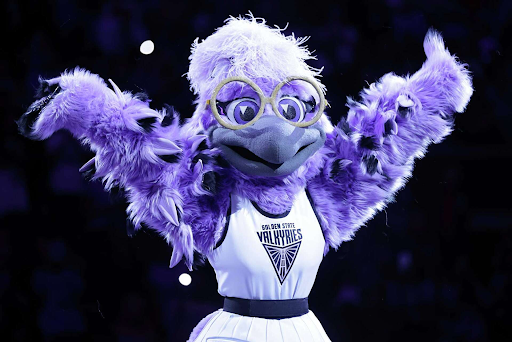
“Getting nerdy with it” has been a key part of building Ballhalla. At its best, it’s one product reaching a variety of consumers who can all find what they need here.
Smith’s team has studied three specific fan profiles, which the club has “broadened and deepened” with first-year data. Moving forward, they’re crafting and balancing unique approaches for each:
- The women’s sports fan: Smith looked at clear “feedback points” to evaluate this elusive group: their higher social engagement, increased betting behavior, and clamor for merch. They demand “an authentic women's sports experience, which they can celebrate in an elite way.” That’s why the Valkyries offered them a premier courtside seat experience — these fans were ready to pay.
- The “bright believer”: These fans see the power in sports fandom and its societal impact, so they crave a “culture-forward” strategy. They’re here for the community, and they’re ready to connect with other Ballhalla believers outside the arena. One example: A Valkyries fan saw a team flag in her neighbor’s yard, so she left a bottle of wine on her doorstep. Now they watch away games together.
- The new sports fan: Golden State’s brother franchise, the NBA’s Warriors, boast one of the league’s biggest fanbases, yet the Valkyries courted entirely new fans. In 2025, only 7% of Valkyries ticket-holders also attended Warriors games, and 8% of this year’s 12K season ticket holders are doubling up with the Warriors. Smith stresses that every sports league has its own persona — and the W is drawing unique fans with distinct appeal.
Last year “laid a great foundation,” but the Valkyries want fandom to extend beyond gamedays. Ballhalla is a place, but it’s also a state of mind — fans walk down the street wearing Valkyries violet any day of the week. “That’s also Ballhalla,” Smith said.
🤝 The brands that got them to a billion

Smith said when brands like JPMorgan Chase and Kaiser Permanente expressed early partnership interest, she took a beat. “I need a minute to figure out who we're going to be and what it means to be a Valkyries partner before we sit down and ask you to be a part of that,’” she remembered saying. “And that was really an important step to make sure that we were doing it the right way long-term.”
The wait paid off. Partner feedback has been “wonderful,” even as each brand is “looking for something a little bit different.” Golden State has successfully sold the business case for women’s sports investment, and what drives that distinct value-setting: “When you are affiliated…there’s a consumer unlock: People understand what you're building and what you're a part of,” she said.
The Valkyries have nine founding partners and an impact council with a C-suite exec from each one. Everyone from JPMorgan Chase to Olly is there, and Smith says they’re able to learn from each other about how to show up authentically in the space. It’s that “typical Bay Area, Silicon Valley mindset” the region’s famous for.
Part of that is valuing brand partners equally, whether they’re a major corporation or a small local business. Another part is trusting the value of their own product — a consistent problem in the space, especially when women’s and men’s franchises share an ecosystem, as the Valkyries and Warriors do. Smith says, “There’s no “two-for-one deal happening….That's been part of the issue within women's sports too, is making sure you're valuing the product the right way.”
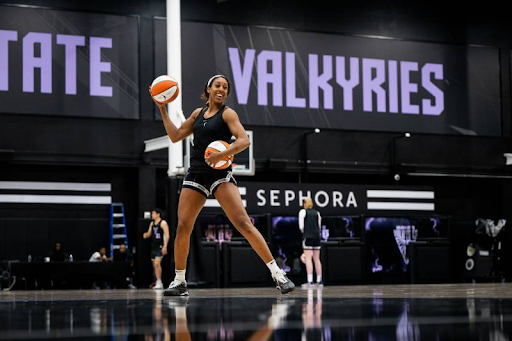
The team’s Sephora partnership is a standout success story: The beauty conglomerate approached the Valkyries first, then partnered with the Warriors. Sephora has headquarters in the Bay Area and is a legacy brand, but it was a sports newcomer.
- Seeing Sephora work with the Valkyries in a “really diligent way” has been an honor for Smith. In true Silicon Valley fashion, the innovative, research-backed startup mindset is building another unicorn in The Bay.
Enjoying this article? Want more?

Sign up for The Call Up and receive sports industry intel straight to your inbox two times a week